
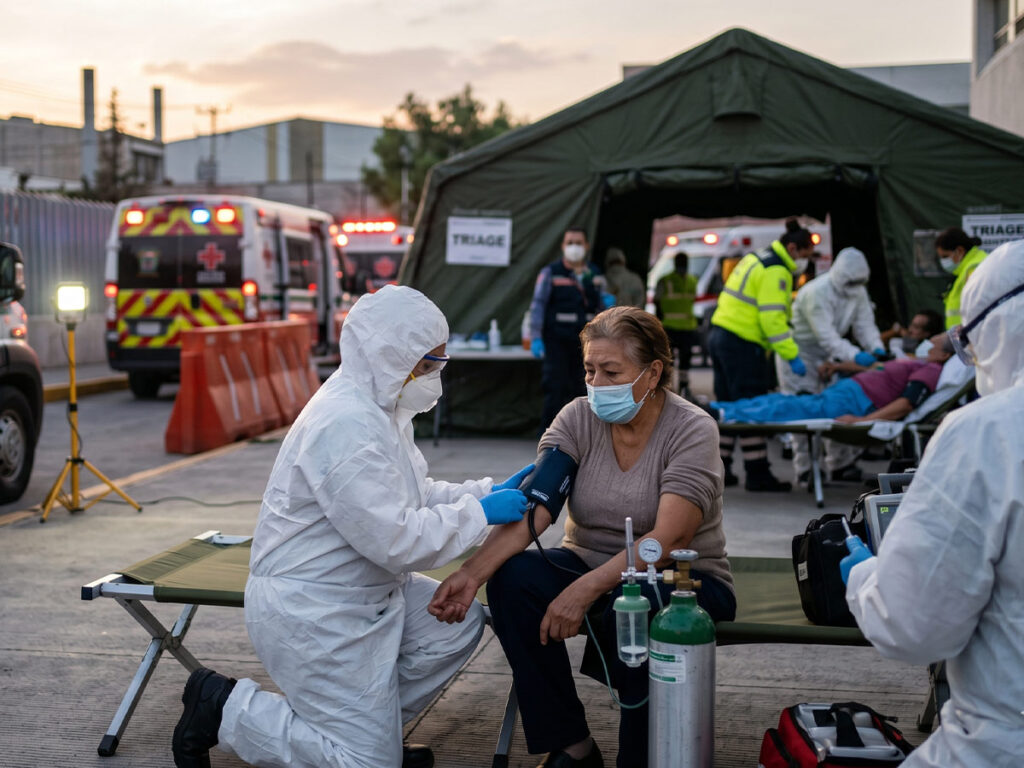
The Coronavirus (COVID-19) pandemic declared by the World Health Organization and the force health emergency due to force majeure declared by the government of Mexico, with the corresponding measures imposed by both government authorities and the private sector, generates various consequences and effects that will result in effects for the economy and companies. such as inputs for the manufacture of goods or the provision of services, transportation, supply chains, and financial commitments, among other areas.
Therefore, the various effects that this situation could generate at the contractual level must be analyzed, such as delays (delays) in or impossibility of fulfilling obligations.
Given the current health situation, there could be events of “force majeure” (which could be based on decrees and orders of government authorities), as well as “fortuitous event” (due to the natural implications of the pandemic), which is especially relevant for the analysis of the rights and obligations that derive from the different agreements and/or contracts that they have entered into.
We consider it important that each company carries out a contractual analysis with sufficient depth, taking into account the terms, deadlines, obligations and, where appropriate, conditions agreed, as well as the applicable laws in order to implement an action plan that considers approaches with the parties involved with the intention of reaching agreements that allow them to maintain a legal relationship with them or, in exceptional cases, to terminate them in an orderly and equitable manner.
The analysis may include, but is not limited to, the following:
- Obligations that the company may fail to comply with or those that may be breached towards the company.
- Duration of the contract.
- Existence and scope of clauses of fortuitous event or force majeure or if the possibility of modifications or early termination of the contract is foreseen due to changes in unforeseeable circumstances or situations.
- Conventional penalties, responsibilities and compensation obligations.
- Parties involved and affected, considering the effects on them of the decisions that may be taken.
- Possible effects that may arise both for the company and for third parties.
- Methods and, where appropriate, procedures provided for the settlement of disputes, giving priority in the first place to negotiation between the interested parties.
- Applicable laws and the implications derived from them.
Likewise, the analysis will generate the opportunity to review and strengthen the contract formats commonly used by each company, in order to achieve greater legal certainty for it in its future contractual relationships.
We are at your service for any query, advice or support you may require in this regard.